

Skin aging is not solely a function of chronological time.
It is largely determined by how effectively the skin can regulate and adapt to continuous environmental and biological stress.
In climates such as Dubai, Skin aging is accelerated by environmental stress such as heat, UV exposure, and pollution. this process is significantly accelerated.
Oxidative Stress as a Primary Driver of Skin Aging
One of the key mechanisms underlying accelerated skin aging is oxidative stress.
Oxidative stress occurs when the production of reactive oxygen species (ROS) exceeds the skin’s ability to neutralize them through its endogenous defense systems. This imbalance disrupts redox homeostasis, affecting cellular function, signaling pathways, and tissue integrity.
From a biological perspective, oxidative stress is not merely damage — it is a regulatory imbalance that influences how the skin responds, repairs, and regenerates.
Why Dubai Accelerates Oxidative Stress in the Skin
Environmental conditions in Dubai significantly increase oxidative load:
- High UV exposure → increased ROS generation
- Heat stress → altered cellular metabolism and dehydration
- Pollution → additional oxidative burden
- Inflammation & lifestyle factors → chronic low-grade stress
These factors continuously challenge the skin’s ability to maintain oxidative balance, leading to cumulative dysfunction over time.
Impact on Skin Function and Tissue Quality
When oxidative balance is disrupted, several key biological processes are affected:
- Reduced cellular resilience and adaptive capacity
- Impaired barrier function and hydration regulation
- Slower tissue repair and recovery
- Increased inflammatory reactivity
- Accelerated degradation of structural proteins
Clinically, this presents as increased sensitivity, uneven skin quality, slower recovery after treatments, and more rapid visible aging.
The Role of Endogenous Defense Systems
The skin relies on a network of endogenous systems
to regulate oxidative stress, including:
- Glutathione — a primary intracellular antioxidant
involved in detoxification and ROS neutralization
- Thioredoxin systems — essential for maintaining
protein function and redox signaling
- Superoxide dismutase (SOD) — enzymatic
defense against reactive oxygen species
- Mitochondrial function — central to energy
production and cellular repair processes
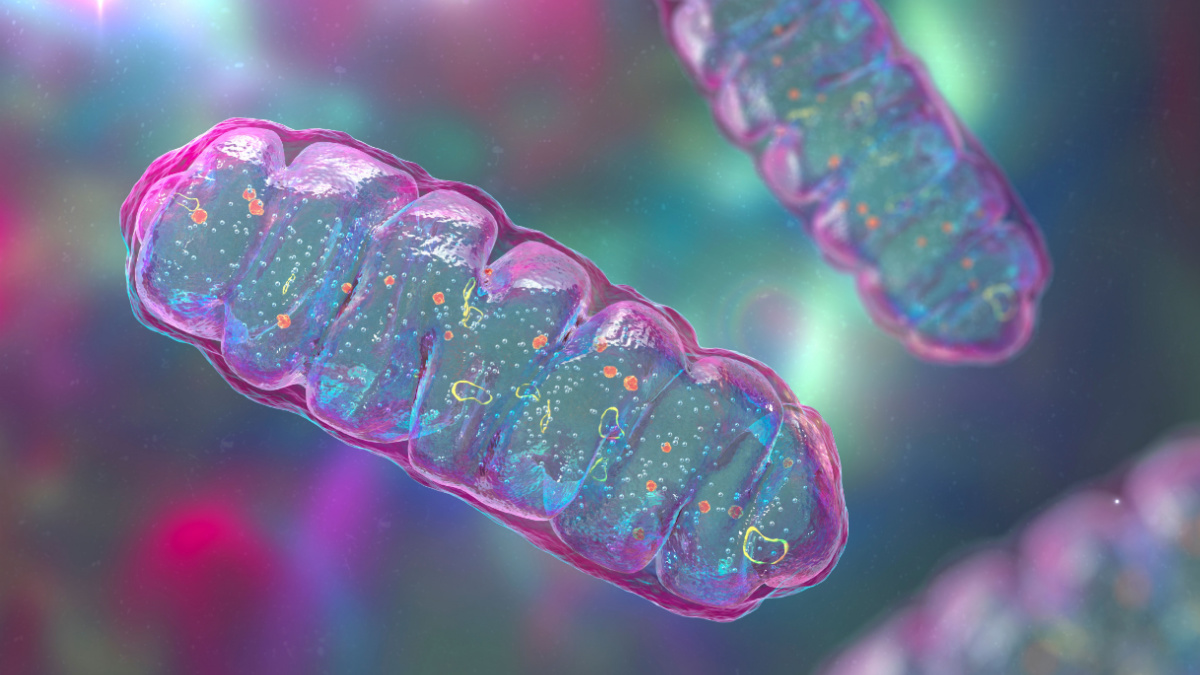
The efficiency of these systems determines the
skin’s ability to maintain intracellular stability,
preserve function, and respond effectively to stress.
From Damage Correction to Skin Response Optimization
Traditional skincare approaches often focus on correcting visible damage after it occurs.
However, in both clinical and aesthetic practice, outcomes are increasingly understood to depend on the skin’s biological readiness and response capacity.
This includes:
- the ability to regulate oxidative stress
- maintain cellular energy
- control inflammation
- support efficient recovery
The Renophase Approach: Supporting Skin Across the Treatment Cycle
At Renophase®, oxidative balance is considered a foundational axis of regeneration.
Rather than addressing isolated symptoms, our approach focuses on supporting the biological conditions that determine how the skin responds to stress and intervention.
This is structured across three key phases:
1. Preparation
Enhancing skin resilience by supporting hydration, antioxidant defense, and cellular readiness.
2. Modulation
Influencing the skin’s response at the moment of stress or treatment through optimized biological signaling and tissue receptivity.
3. Recovery
Supporting controlled inflammation, redox balance, and tissue repair to improve recovery quality and outcome consistency.
The Role of Homecare in Skin Longevity
Daily homecare plays a critical role in maintaining oxidative balance between treatments.
Consistent support of antioxidant systems, cellular energy, and barrier function helps:
- improve skin resilience
- stabilize response to environmental stress
- enhance recovery following aesthetic procedures
This reinforces the concept that clinical outcomes extend beyond the treatment itself and are significantly influenced by daily biological support.
Conclusion
Skin aging in environments such as Dubai is driven not only by external exposure, but by the skin’s ability to regulate oxidative stress and maintain biological stability.
Supporting endogenous defense systems — including glutathione, thioredoxins, and mitochondrial function — is therefore essential to preserving skin function, resilience, and long-term tissue quality.
At Renophase®, we approach skin aging through the lens of biological regulation and response optimization, recognizing that consistent, high-quality outcomes depend not only on the treatment applied, but on the condition of the tissue receiving it.